
Featured Post
A Loss of Hope
The idea for Maine at 200 was that I would find a good story to tell from each of the 20 decades that Maine has been a state. Sometimes I told more than one. Some are historically significant, with names you might recognize from history books, like Margaret Chase Smith, Joshua Chamberlain, or James G. Blaine. Some are more obscure—but equally interesting—incidents from Maine history.
I was casting about for a good story to tell about the 2010s when it suddenly hit me: Hope Elephants. It was a quirky and ultimately sad story, and one that I knew first-hand. I had previously written an article about Hope Elephants that was never published, for reasons I will explain here.
I had first heard that Jim Laurita, a veterinarian outside Camden, was caring for two Asian elephants when I did a talk in Gettysburg in 2014 for Bowdoin College alumni. A woman sitting at my table that night told me about the elephants, and my freelancer ears perked up. I immediately realized it had the makings of a great article. Elephants are cool by themselves, but elephants in Maine? That was a twist. I started pitching the idea around and eventually received an assignment from NationalGeographic.com. I was heading up to Maine for my summer vacation that August, so I arranged to spend a day in the little town of Hope and talk to Laurita about the two pachyderms he had brought to an unlikely retirement home in a town called Hope.
It was a fun day. Laurita was pleasant and outgoing and clearly had a passion for his project, which was to provide a good home for Rosie and Opal, the two retired circus elephants. (You can read the full story about Hope Elephants in the book.) Once my vacation ended and I returned home to Pennsylvania, I wrote up the story. On Monday, September 8, 2014, I sent Laurita an email with some final fact-checking I needed to do before I submitted the article. The next morning, I got a message from my editor at NG.com. Laurita was dead. The circumstances remain murky, but the official ruling was that he had fallen in the elephants’ barn and that one of the animals had stepped on him.
The news was so sad, not only for Laurita’s family, and for the family he had created at Hope Elephants, but also for the entire community. The little town of Hope and the surrounding region had rallied around Laurita’s seemingly quixotic scheme. People donated their cans and bottles so the refunds could help support Rosie and Opal; farmers donated crops to help feed them; local used their time and energy as volunteers; schoolteachers in Maine used Hope Elephants as the basis for teaching programs. The fact that this all happened in a town called Hope—a plot point that would have seemed unrealistic in a work of fiction—only heightened the sense of loss.
Laurita’s dream of Hope Elephants died with him. NG.com decided not to run my article. I didn’t argue much. I felt a little deflated, too. It’s pretty depressing to see an uplifting story make such a sudden pivot into sadness and tragedy.
I’ve posted some of the photos here I took on that day in Hope.
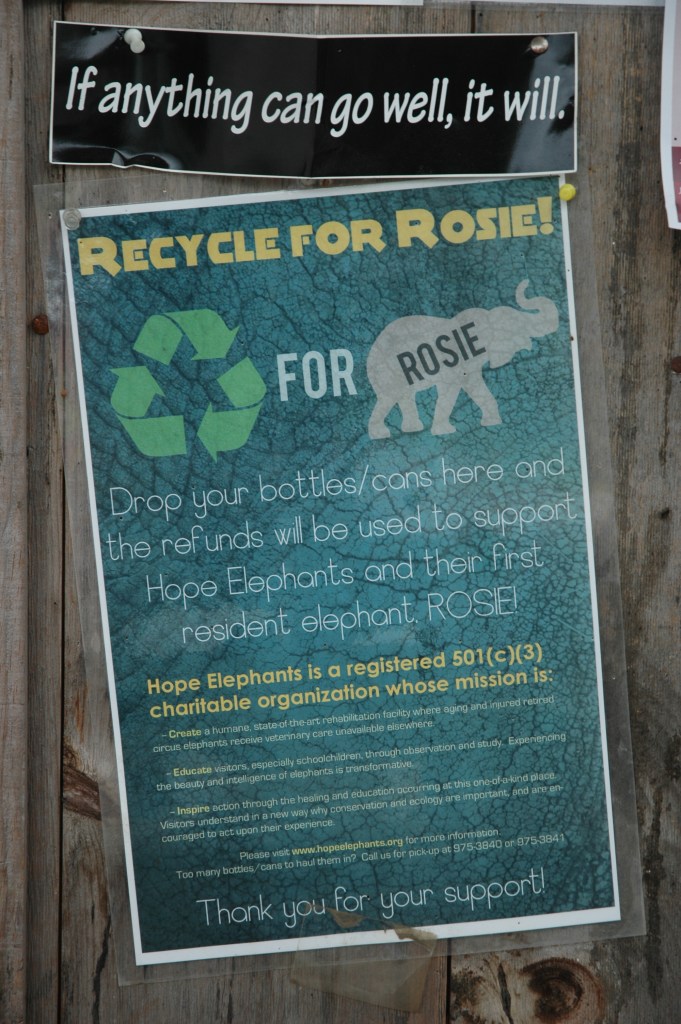
The community rallied around the elephants. 
Rosie and Opal. Rosie has sunscreen on the front of her trunk. 
Jim Laurita with Rosie. 
Laurita speaks to visitors about the elephants. 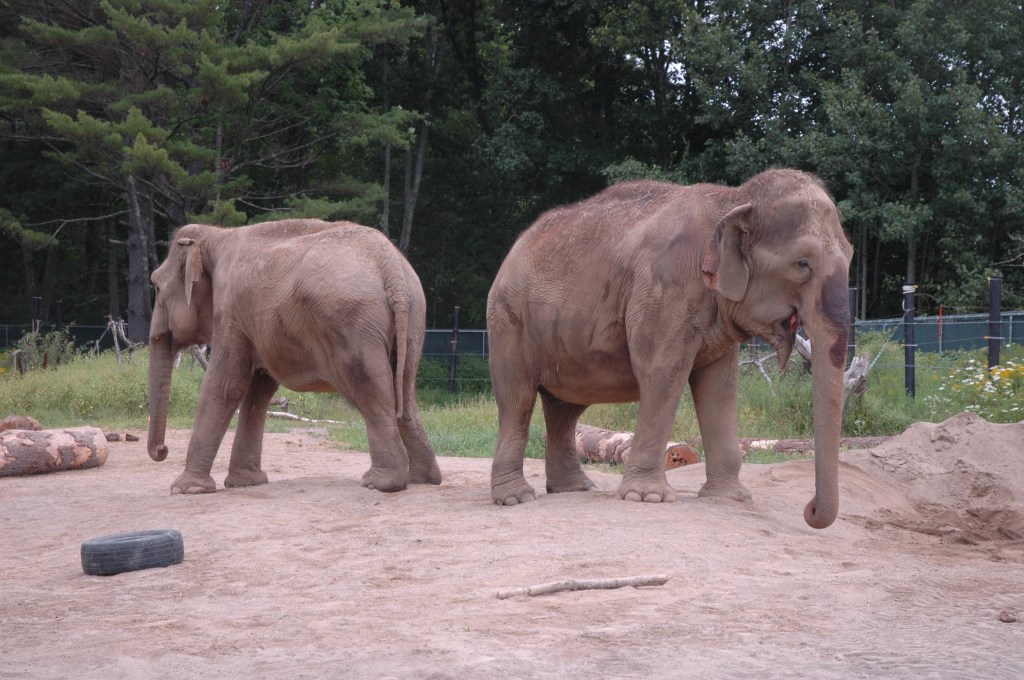
Opal (left) and Rosie. 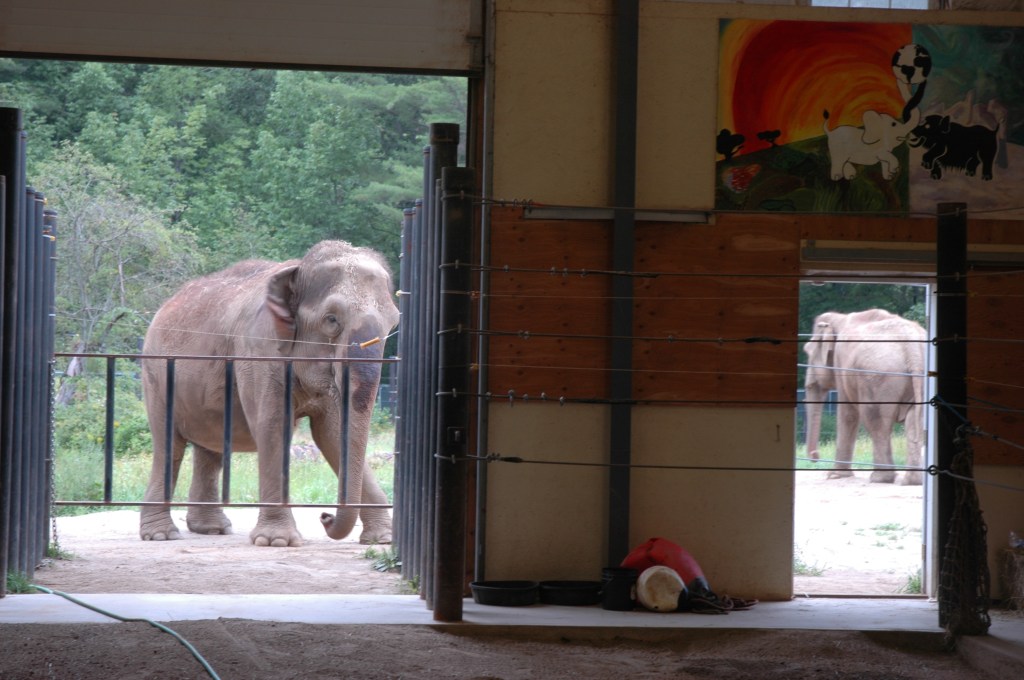
The elephants outside their enclosure. 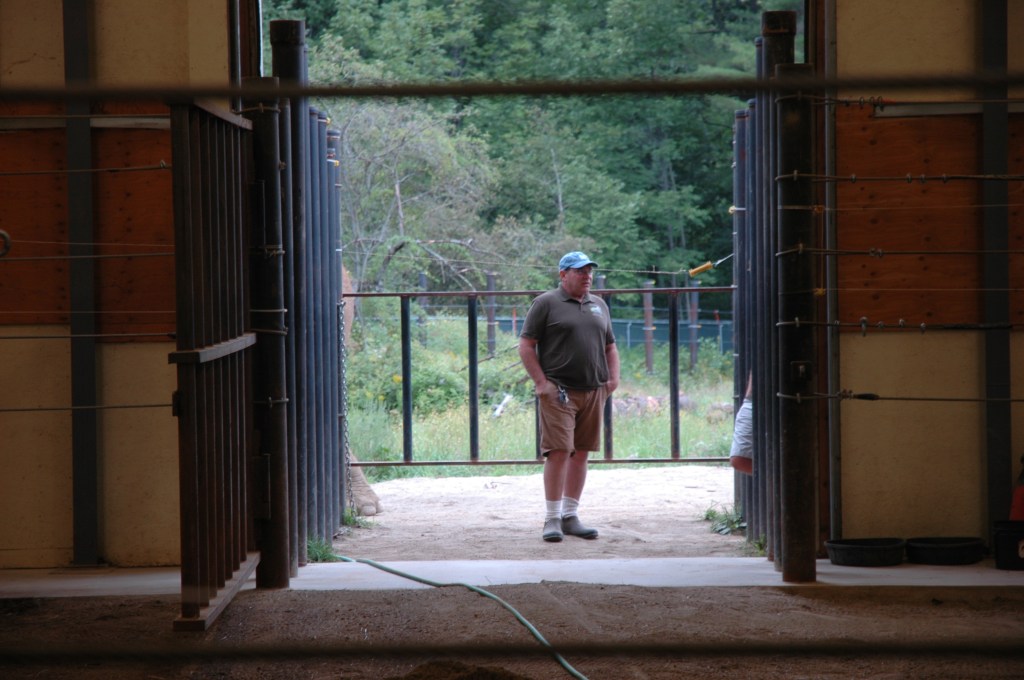
Jim Laurita at Hope Elephants. 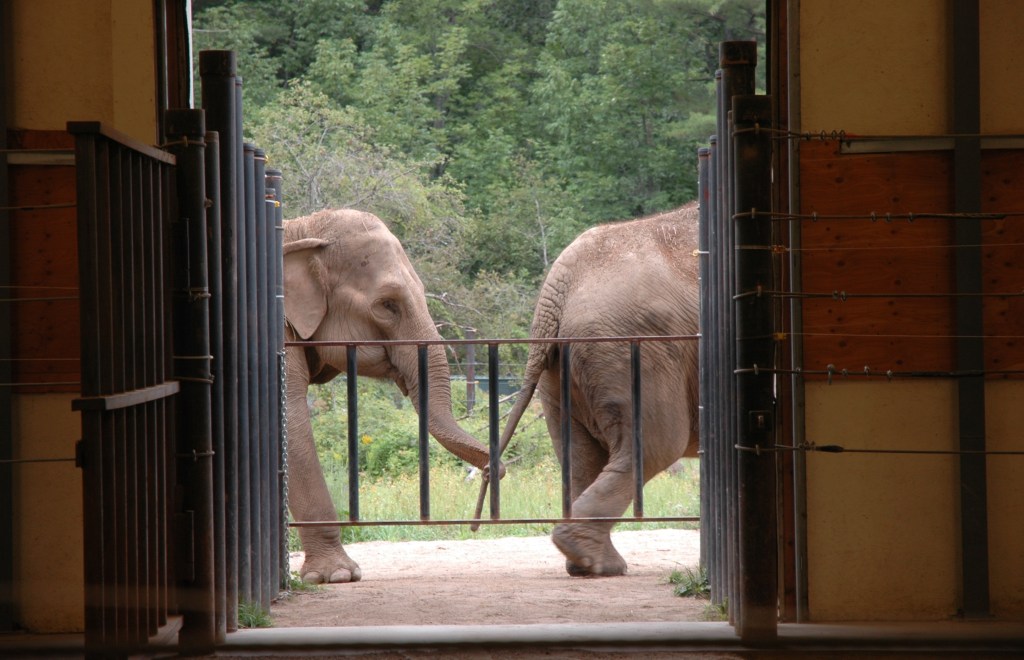
Pachyderms on parade. 
Another local benefit.
Latest Posts
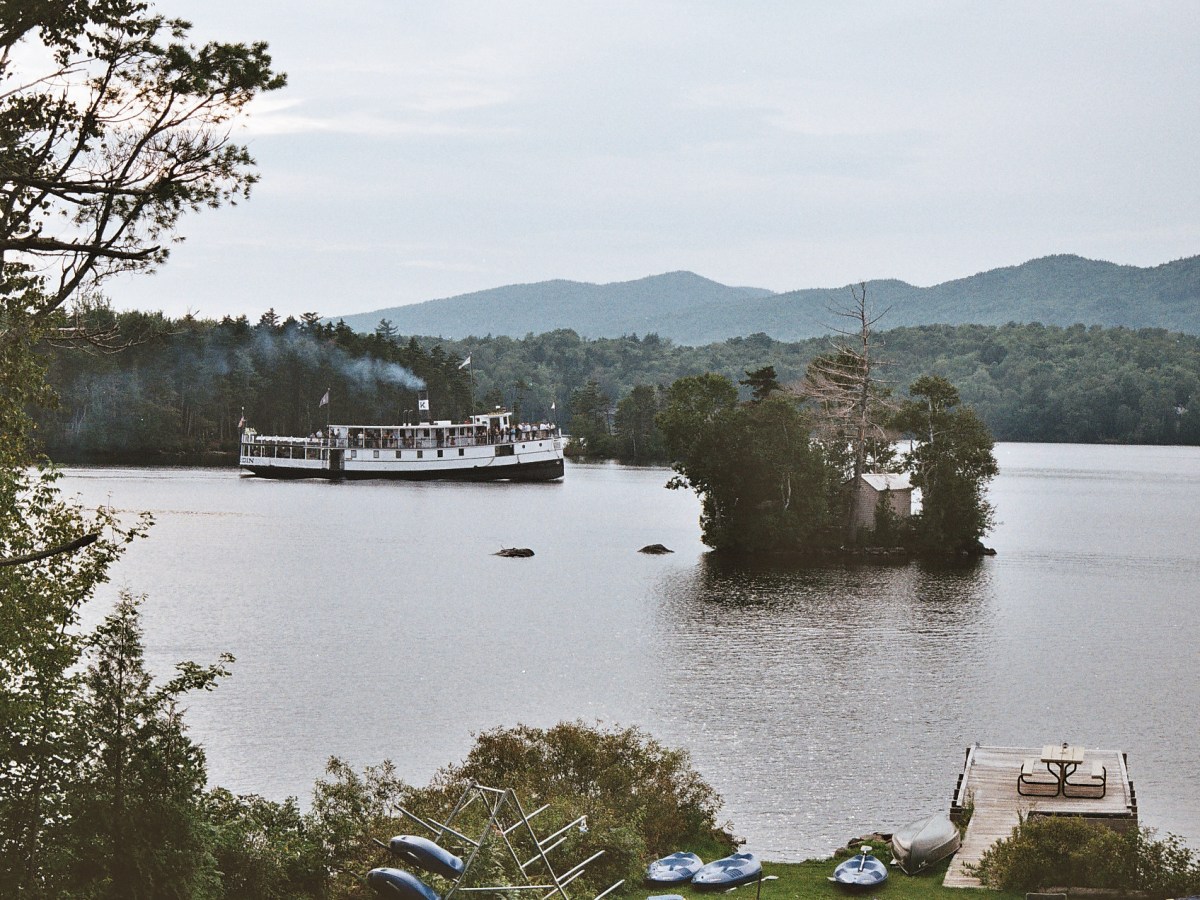
The Kate
In the chapter on the 1970s in Maine at 200, I write about the last log drive down the Kennebec River. Making a cameo in that chapter is the steamer Katahdin, known familiarly as the Kate. I write, “For years the Kate had towed rafts of logs across Moosehead Lake to the dam at the…
Space Age Memories
In Maine at 200, I write about how the history I was covering gradually morphed into memory as the events I was writing about eventually became subjects I had witnessed personally. That transformation started with the chapter about the 1960s, where I write about the Telstar satellite and the big ground station built in western…
Follow Me
Get new content delivered directly to your inbox.
 Maine at 200